
The roof
The asset that protects every other asset, inspected least often and photographed almost never. Impact damage here is invisible from the street and expensive from the inside.
Hail damage verification for commercial property portfolios, answered at the asset rather than inferred from a radar cell: measured where a Tessera stands, ground-trained by Hailios Fusion AI at any other US site. After a regional storm, Hailios gives you a ranked list of which buildings took impact, when, and to what degree — so you inspect the roofs that were hit instead of all of them, or none of them, or the wrong ones.
PORTFOLIO TRIAGE · PER SITE, NOT PER RADAR CELLROOF MOUNT · PEEL AND STICK · NO PENETRATIONSANY US ADDRESS · ANY TESSERA SITE IN 150+ COUNTRIES
A single owner-occupier can walk out and look. A portfolio cannot. The morning after a regional storm you have a hazard map, a spreadsheet of assets that sit somewhere under it, and two bad options. Inspect everything: forty roof visits, forty invoices, weeks of scheduling, and by the time the last one is walked the first report is stale. Inspect by guesswork: you send crews where the radar looked angriest and where a tenant happened to call, and you find the losses that announced themselves while the quiet ones keep leaking.
Both options cost the same thing in the end — time you do not have. Most commercial policies carry a prompt-notice obligation, and some carry a hard reporting window after the date of loss. Deciding where to look is not an operations problem. It is a coverage problem with an operations disguise.
Ground truth at each building turns a hazard map into a work order: measured where a Tessera stands, ground-trained by Hailios Fusion AI at every other US site. These sites took hail. These did not. Here’s when, for each. The list is the whole product: an inspection budget aimed at the assets that earned it.
| Site | The individual asset, by address — not a ZIP code, not a radar cell |
|---|---|
| Verdict | Hail, or no hail. Both are useful. |
| Timestamp | Start, peak and duration of the event, to the second where a Tessera recorded it |
| What it records | Where a Tessera stands: impact count, impact energy and impact concentration across the panel |
| Stone size | A measured floor, never inflated, with the most likely size beside it |
| Confidence | Measured where a sensor stands, ground-trained where one does not, labeled which |
THE REPORT SAYS WHAT IT KNOWS, AND HOW SURE IT IS.
NO HAIL IS DATA, TOO — THE CHEAPEST ROOF INSPECTION IS THE ONE YOU DIDN’T SEND A CREW TO.
Hail bruises the membrane. Granules move, the mat is stressed, nothing visibly fails. Nobody calls, because from the ground and from the tenant’s desk nothing happened.
The bruise weathers. Freeze, thaw, ponding, UV. The damage that was cosmetic in June becomes a breach in the assembly, and the insulation underneath begins taking water.
A ceiling tile stains. Now it is a leak, a saturated deck, an interior claim, a tenant with a business of their own to run, and a conversation about who pays for the fit-out.
The carrier asks for a date of loss. You offer a storm five months ago that nobody reported. The file turns into late notice, wear and tear, or a dispute about which of three storms did it — and the roof gets paid as maintenance, if at all.
Nothing about a hailstorm shuts an operation down directly. It lasts eight minutes and it is gone. What stops the business is everything the eight minutes broke: the membrane, the rooftop HVAC, the condenser coils flattened on their windward face, the skylights, and the water that comes through all of it on the next ordinary rainy Tuesday.
The asset that protects every other asset, inspected least often and photographed almost never. Impact damage here is invisible from the street and expensive from the inside.
Packaged rooftop units, condensers, coil fins, economizer housings. Hail strips capacity from equipment that keeps running — degraded, drawing more, failing in the first heat week after the storm rather than during it.
The fastest route from a weather event to a closed floor, a cordoned atrium and a tenant who cannot trade. Also the easiest damage to date wrongly, because it is found late.
The interruption is usually water, weeks later: stock, servers, fit-out, a floor out of service. Business interruption cover turns on the physical damage that caused it, which means it turns on proving the event and its date.
Mosaic Alerts · know what’s coming
Alerts give facilities and risk teams up to 30 minutes of warning across every site in the portfolio — enough to move what moves fastest: get people off the roof, bring equipment in, and tell tenants something before the weather does.
Mosaic Reports · know the event
One address, one date, one report an adjuster can put in the file and a roofing contractor can scope against. It is the evidence behind the notice, behind the interruption claim, and behind the conversation with a tenant about what you knew and when you knew it.
Mosaic Risk · know the risk
Hail risk scored across the US: six years of measured hail set against 26+ years of reported record. Take per-asset hazard into a renewal instead of a ZIP code average, and into capital planning — which roofs to replace first, which sites justify a hardened spec, which acquisitions carry a hazard the price did not reflect.
ALERTS BEFORE · REPORTS AFTER · RISK EVERY YEAR AFTER THAT — CONTINUITY IS JUST THE SAME BUILDING, ANSWERED THREE TIMES.
A Tessera is optional. In the US, every site in the portfolio is answered by Hailios Fusion AI; where a roof calls for its own measurement, the sensor presses on with adhesive pads.
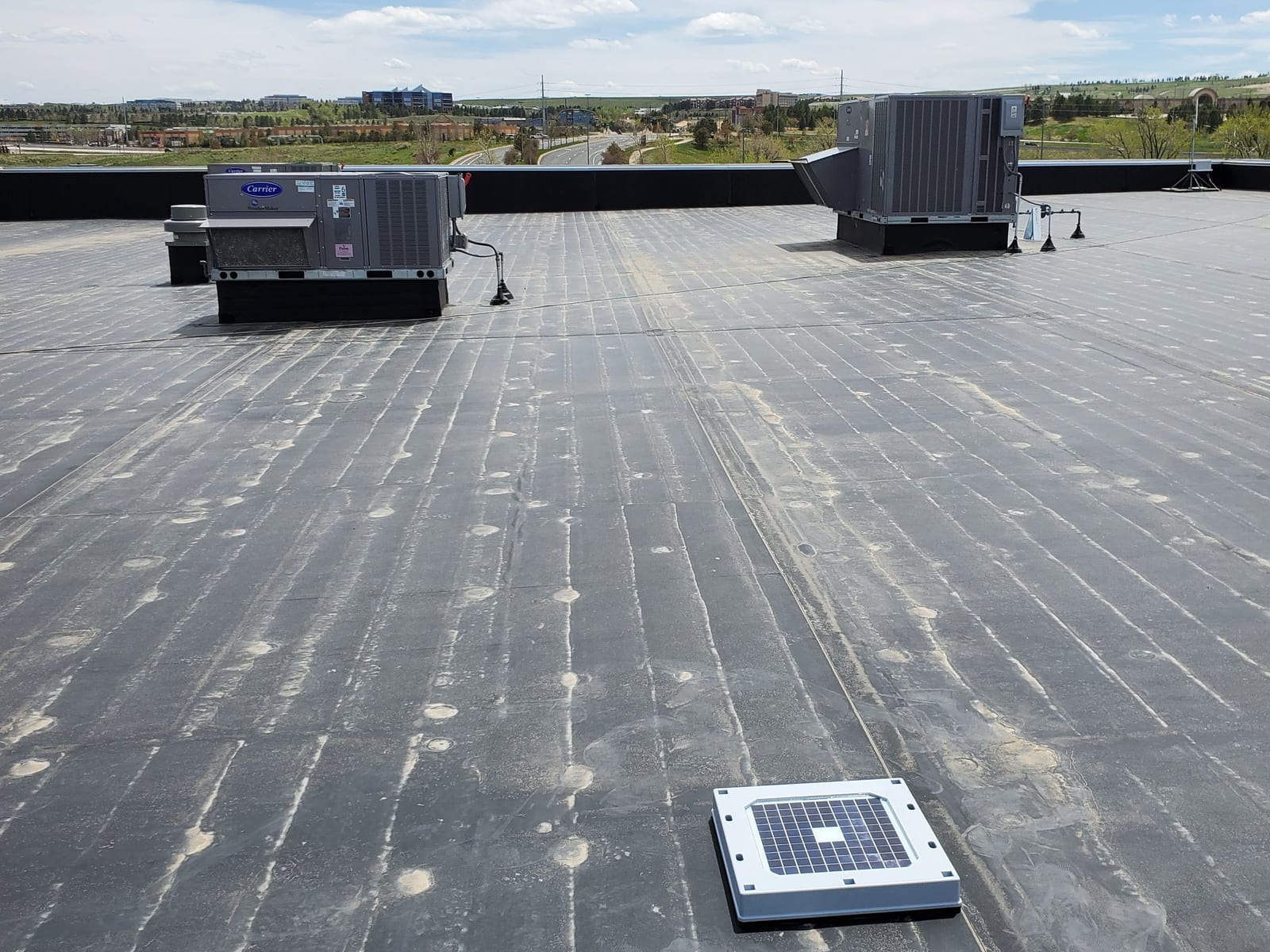
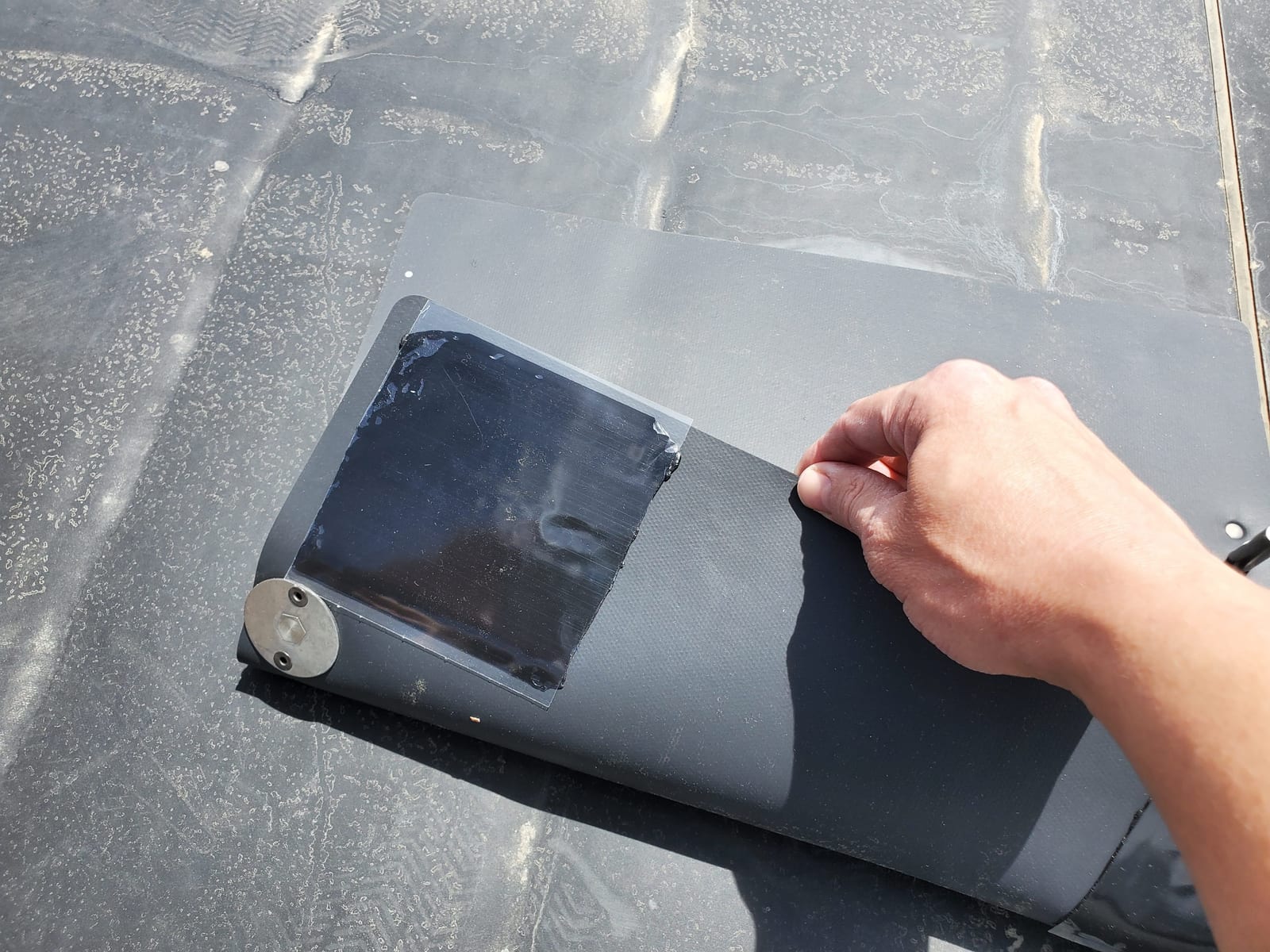
ROOF · POLE · TRACKER — NO TRENCHING, NO ROOF PENETRATION, NO ELECTRICIAN, NO CHANGE ORDER.
Parametric structures pay on a measured trigger rather than on an adjusted loss, which is exactly the shape of a portfolio’s hail exposure: many small assets, a deductible that swallows most single-site events, and an interruption cost that lands weeks after the weather. A trigger written on the building is a trigger both sides can read.
The same record serves the traditional program underneath it — evidence for the indemnity claim, and a hazard record to take into the renewal.
MEASURED WHERE WE ARE · GROUND-TRAINED WHERE WE AREN’T · LABELED ACCORDINGLY.
Apartment communities, HOAs and managing agents share the portfolio problem but not the policy, the roof type or the person who has to explain it to the board. That story is told properly next door.
Tell us how many sites you own or operate and where they sit, and we’ll show you what the morning after a regional storm looks like when the list is ranked by severity.
OWNERS · OPERATORS · REITS · A FRIENDLY REPLY FROM A REAL PERSON, USUALLY THE SAME DAY.
Talk to us