The hail report in a claim file is almost always an inference. A radar beam sweeps thousands of feet above the roofline, the return is processed into an estimate of what probably reached the ground, and the result is resolved to a grid cell coarser than the neighborhood you’re working. It is a reasonable estimate over a county. It is a coin toss over a cul-de-sac where one street took the core and the next one took rain.
Your side of that conversation is chalk circles and a ten-by-ten test square: a trained eye, a good method, and — in the adjuster’s file — still an opinion. Two opinions and an inference is how a legitimate roof gets denied, and how a marginal one gets approved.
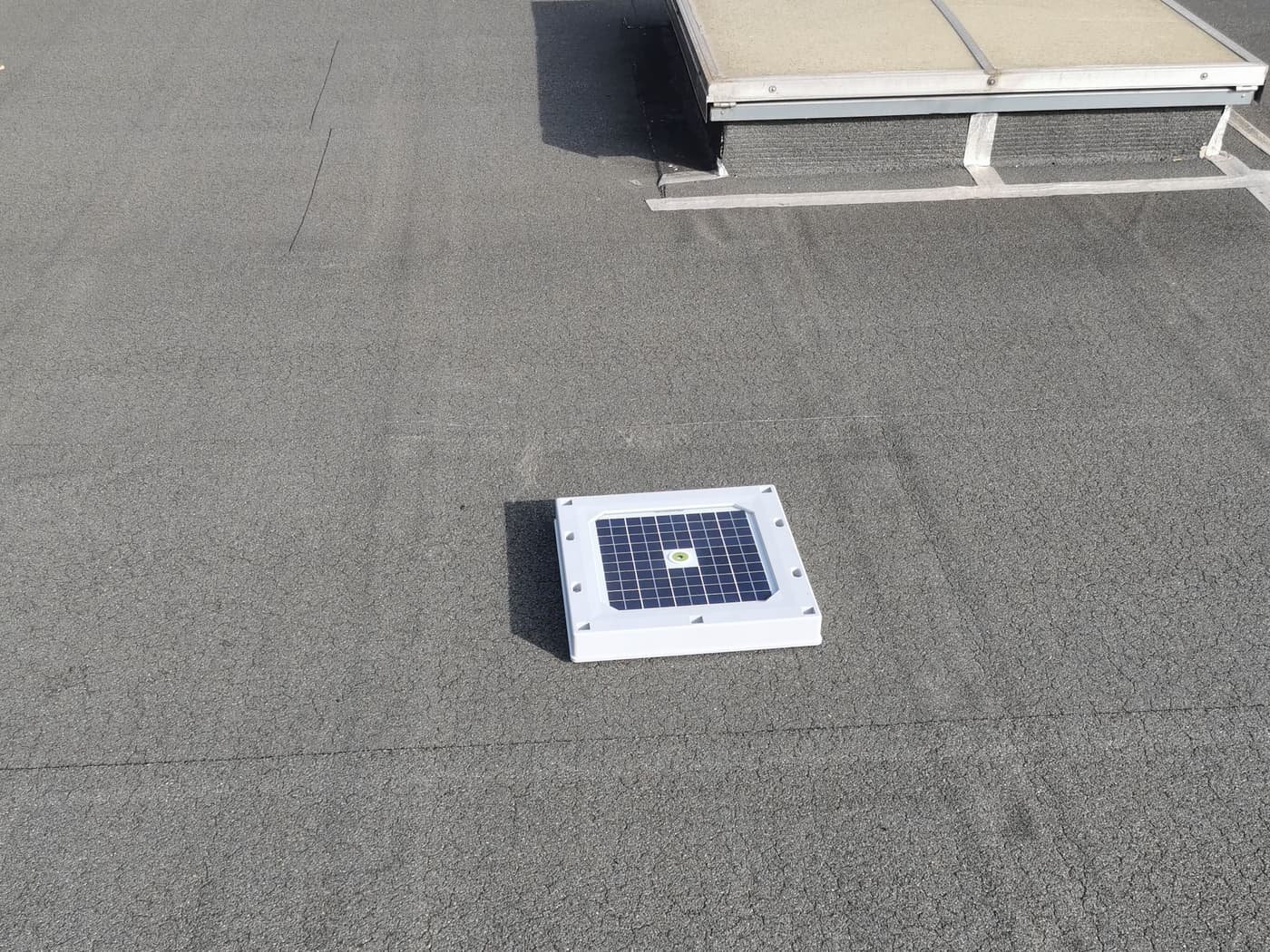
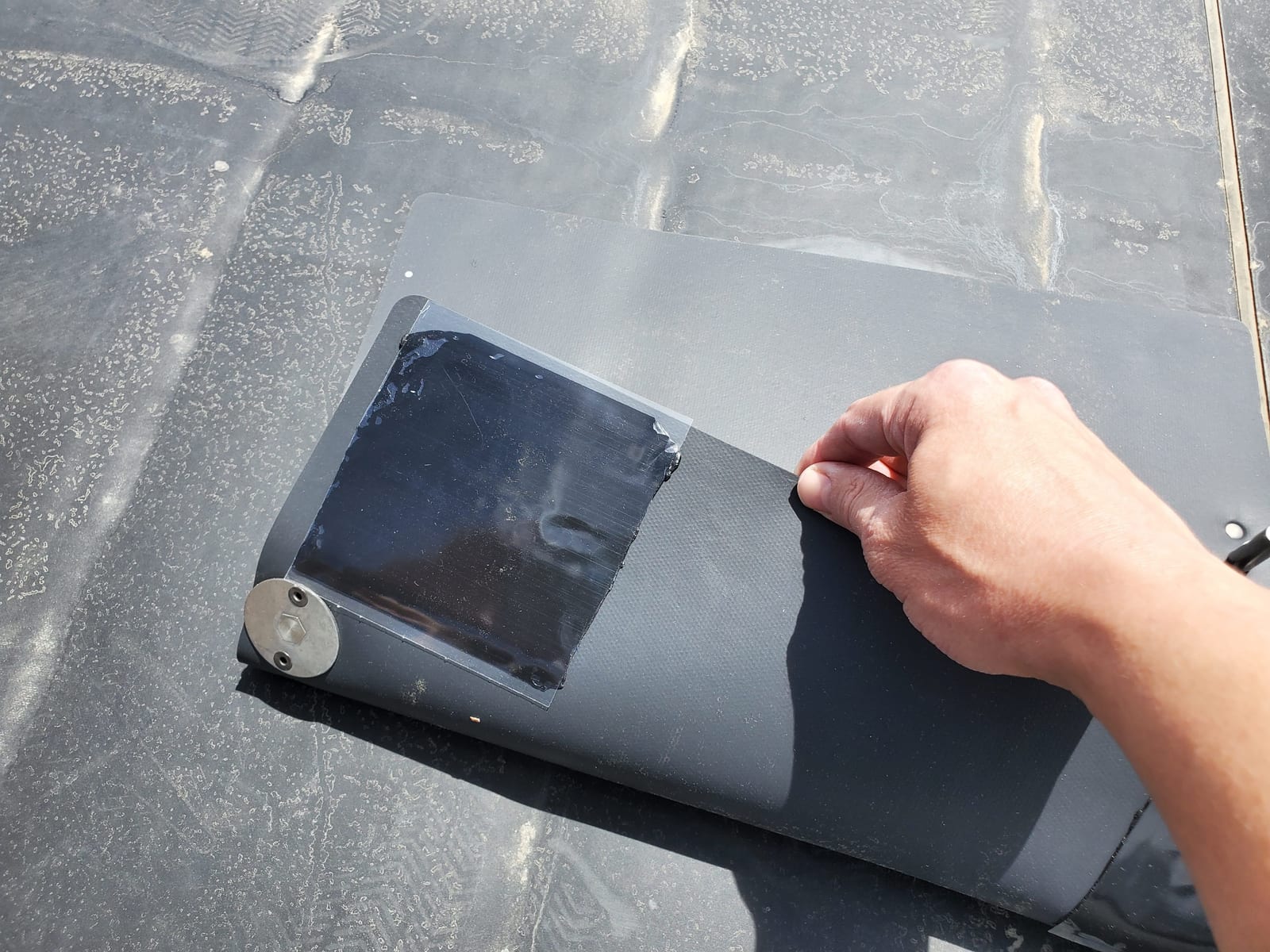
Where a Tessera stands, it measures the storm where it lands. Impact count, impact energy, impact concentration, duration, and a measured floor on stone size that is never inflated — recorded as it happens, not reconstructed afterward. Where there isn’t one on the roof, Hailios Fusion AI, trained on years of those measurements, gives the address its own answer, closer than a radar pixel alone, and labels it ground-trained. The weather stops being the disputed part of the claim.